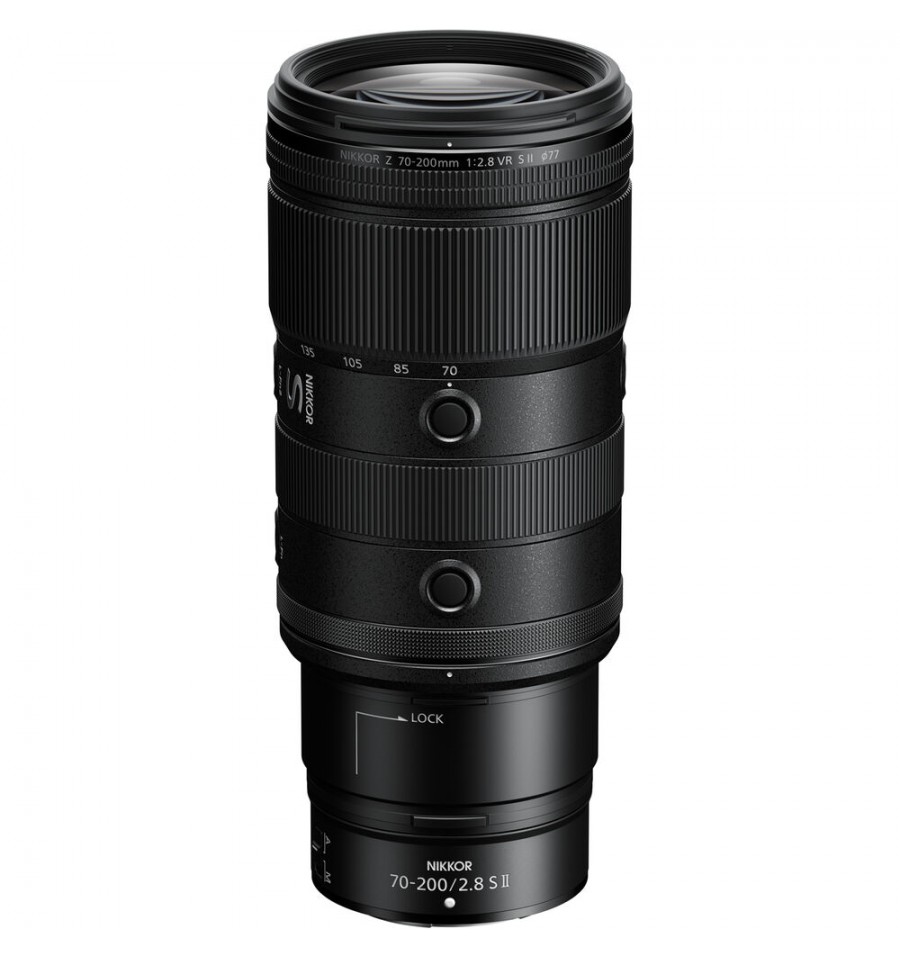
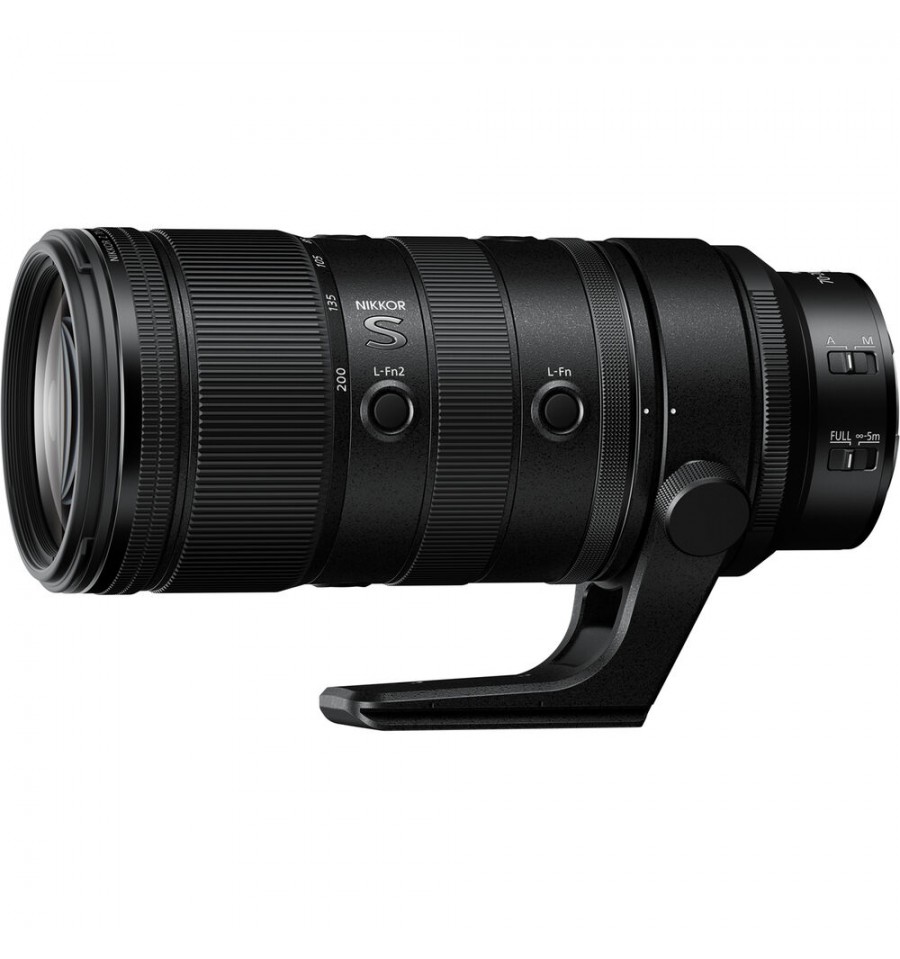
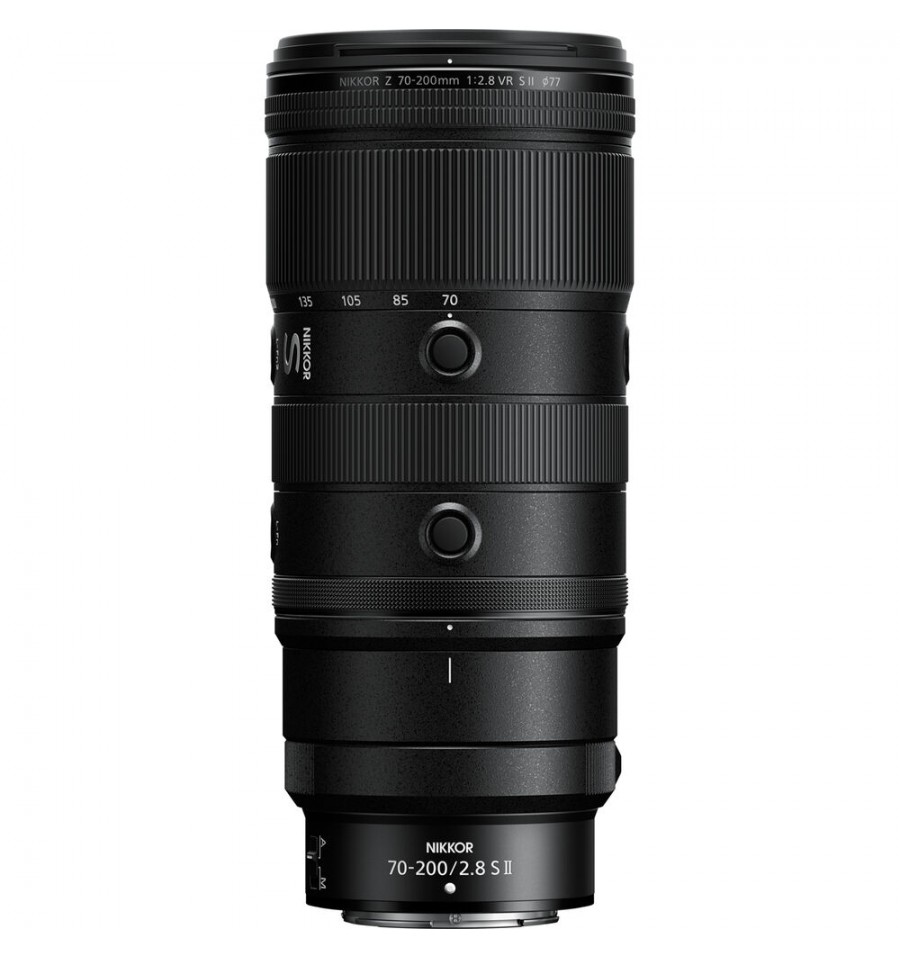
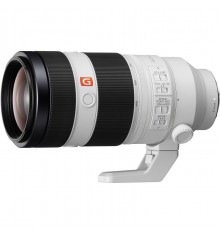
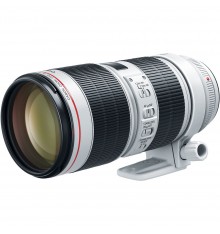
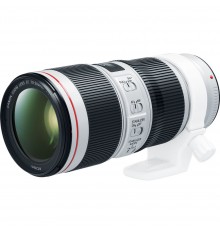
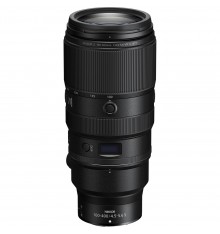
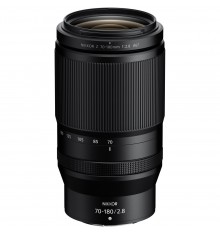
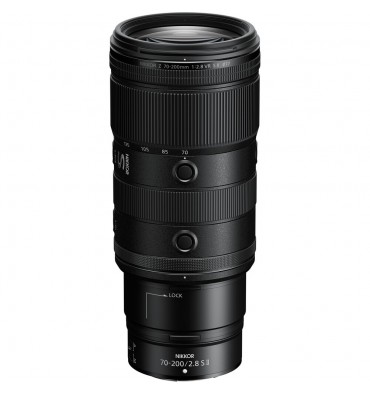
Gather more light, freeze action with faster shutter speeds, isolate your subject, create truly beautiful bokeh. With a fast f/2.8 aperture and 6 stops of in-lens Vibration Reduction, this second-generation S-Line lens gives you every advantage in challenging conditions. For even greater stability, Synchro VR delivers maximum stabilisation at the centre and edges of the frame with compatible Z cameras.
If you’re shooting with a gimbal, the balanced internal zoom keeps the centre of gravity consistent so you can change focal lengths without needing to recalibrate your rig.
Supercharged AF for everything you shoot
Equipped with our best AF system yet, the NIKKOR Z 70-200mm f/2.8 VR S II is quicker, sharper, and so much quieter than its predecessor. You’ll experience thrilling new levels of performance.
The speed and silence of Silky Swift VCM
Responsiveness gets a massive boost thanks to the sheer velocity of the Silky Swift voice coil motors, plus a high-performance guide mechanism and an AF actuator. Despite the speed, audible noise and vibrations are significantly reduced.
The precision of Nikon’s multi-focusing system
With multiple groups of lens elements moving in synchronisation and the new optical construction, precision has improved significantly. Portraits to action, get ready for next-level resolution and sharpness even at close distances.

 View full size