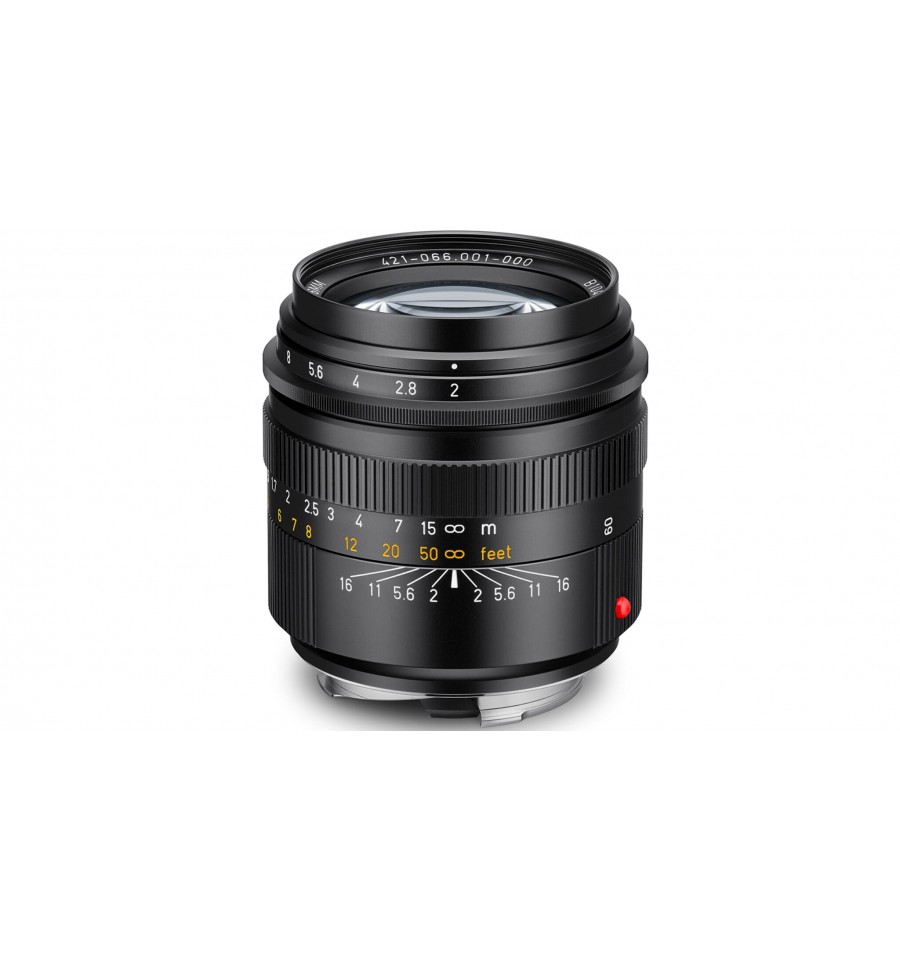
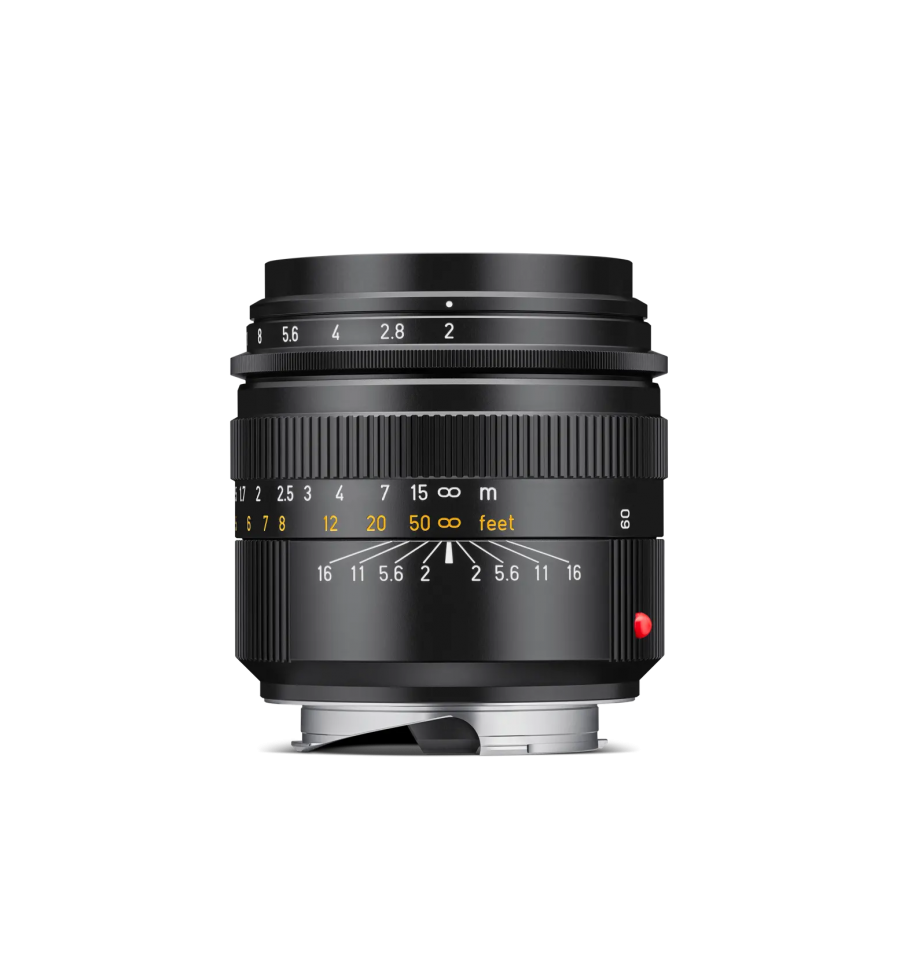
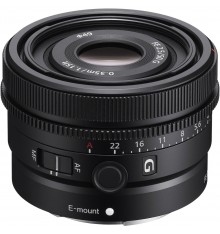
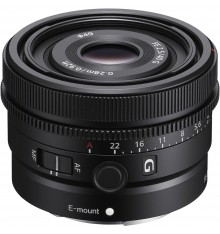
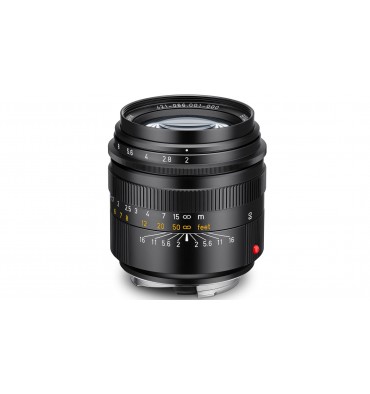
The Summicron-M 66 f/2 is being released as part of the Leica Classic Line in a limited edition of 660 units worldwide. Each lens has its own unique three-digit serial number engraved on the front ring and comes with a certificate of authenticity. As such, each Summicron-M 66 f/2 lens is a unique piece of Leica history.
The historic Elcan 66 mm f/2 was never commercially available. Produced for official use in a run of around 200 units, examples that appear on the market today are generally understood to originate from former military inventories. The new Summicron-M 66 f/2 brings this once inaccessible concept into the present as a strictly limited Leica Classic Line lens. Its distinctive focal length, compact form and exceptional resolution recall an era in which optical performance had to serve absolute discretion.
The Elcan’s mechanical design continues to influence lens design to this day. Both the original special-purpose lens and this reinterpretation differ from standard M-Lenses in that their aperture ring rotates in the opposite direction. Furthermore, the Summicron-M 66 f/2 distinguishes itself from other Leica lenses with its more refined lettering.
Historical accounts also suggest that equipment of this type found use beyond its original US Navy commission, among Western allied partners during the Cold War. Many Elcan 66 mm f/2 lenses are also associated with the Leica KE-7A, the special military variant of the Leica M4. Together, camera and lens formed compact sets for discreet photography in situations where exceptional detail was essential.
The original sets were supplied with an instruction manual that explained how to destroy the camera and lens in the event of capture. Striking in retrospect, this detail reflects the sensitivity of the assignments for which the equipment was created, while the lens itself remains remarkable for the optical performance that made such use possible.
History, Reinterpreted
The Summicron-M 66 f/2 reinterprets its historic predecessor, a lens shaped by the discreet demands of covert reconnaissance. The original Elcan’s front ring bore the production number, the optical serial number C283 and the US Navy order number. The Summicron-M 66 f/2 adopts this principle, displaying the current serial number (B1047), the unique special-edition number and the material number.
Elcan, formerly Ernst Leitz Canada, is now Leitz Wetzlar. In this way, its heritage is visibly carried forward into the present.

 Poglej v polni velikosti